
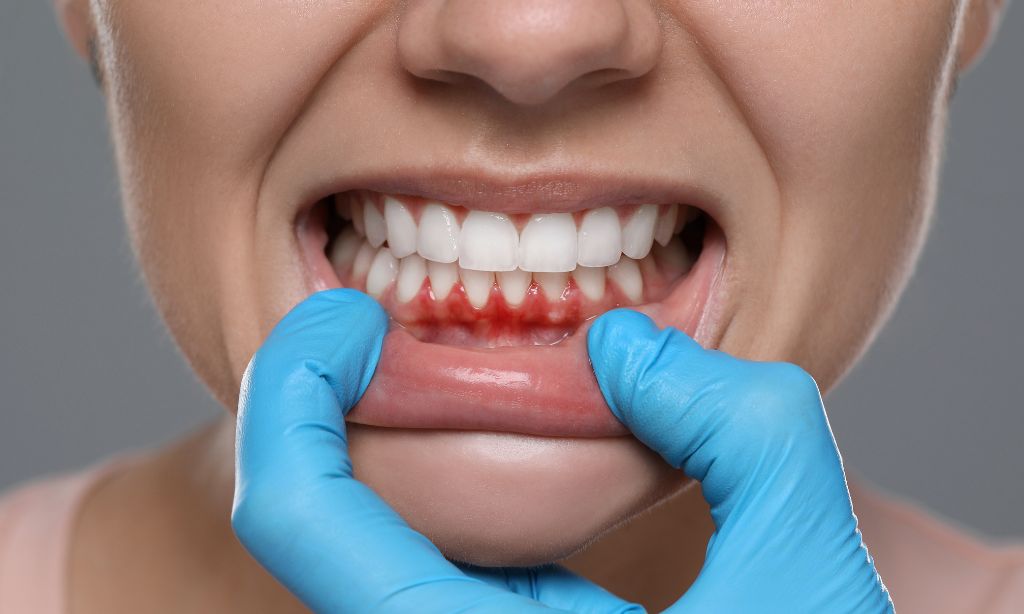
Seeing blood when you brush or floss your teeth might seem harmless at first, but bleeding gums are often a warning sign that your oral health needs attention. Many people ignore this symptom until it develops into a more serious dental issue, including gum disease, tooth loss, and even health complications linked to the heart and immune system.
At Westoak Dental, we encourage patients to take gum health seriously because healthy gums are the foundation of a healthy smile.
Are Bleeding Gums Normal?
The short answer is no. Healthy gums should not bleed during brushing or flossing. Occasional irritation can occur, but regular bleeding is usually a sign of gum inflamation or infection.
Common Signs That Shouldn’t Be Ignored:
- Blood while brushing or flossing
- Swollen or red gums
- Persistent bad breath
- Tenderness around the gumline
- Gum recession
- Loose teeth in advanced cases
If you notice any of these symptoms, it’s important to schedule a dental checkup as soon as possible.
What Causes Bleeding Gums?
Bleeding gums can happen for several reasons, but the most common cause is plaque buildup that irritates the gum tissue.
Common Causes Include:
- Poor oral hygiene
- Gingivitis (early gum disease)
- Aggressive brushing
- Smoking or vaping
- Hormonal changes during pregnancy
- Vitamin deficiencies
- Diabetes and certain medical conditions
- Medications that affect blood clotting
Ignoring these symptoms may allow bacteria to spread and worsen the condition over time.
Gum Disease Starts with Bleeding Gums:
One of the biggest reasons bleeding gums should never be ignored is that they are often the first stage of gum disease.
Stage 1: Gingivitis
Gingivitis is the early stage of gum disease and is usually reversible with proper care.
Symptoms of Gingivitis:
- Bleeding gums
- Mild swelling
- Redness around the gums
- Bad breath
Professional cleanings and better oral hygiene can often stop gingivitis before it progresses.
Stage 2: Periodontitis
When gingivitis is left untreated, it can develop into periodontitis, a serious infection that damages the bone and tissues supporting your teeth.
Risks of Advanced Gum Disease:
- Gum recession
- Loose teeth
- Bone loss
- Chronic infection
- Tooth loss
This is why early treatment matters.
The Connection Between Gum Health and Overall Health:
Your mouth is closely connected to the rest of your body. Research suggests that untreated gum disease may increase the risk of other health conditions.
Gum Disease Has Been Linked To:
- Heart disease
- Stroke
- Diabetes complications
- Respiratory infections
- Pregnancy complications
Keeping your gums healthy is about more than just protecting your smile; it’s also an important part of maintaining overall wellness.
How to Prevent Bleeding Gums?
The good news is that bleeding gum are often preventable with consistent dental care and healthy habits such as:
- Brush twice daily with a soft-bristle toothbrush.
- Floss gently every day
- Use an antibacterial mouthwash.
- Stay hydrated
- Avoid smoking and tobacco products.
- Schedule regular dental cleanings and exams.
Early prevention can save you from more complex and costly treatments later.
When Should You Visit a Dentist?
If your gums bleed frequently, don’t wait for the problem to get worse. Early diagnosis and treatment can prevent long-term damage and restore your oral health quickly.
At Westoak Dental, our experienced team is dedicated to helping patients maintain healthy gums and confident smiles through personalized, compassionate dental care. Whether you need a routine cleaning or treatment for gum disease, we’re here to support your long-term oral health every step of the way.